
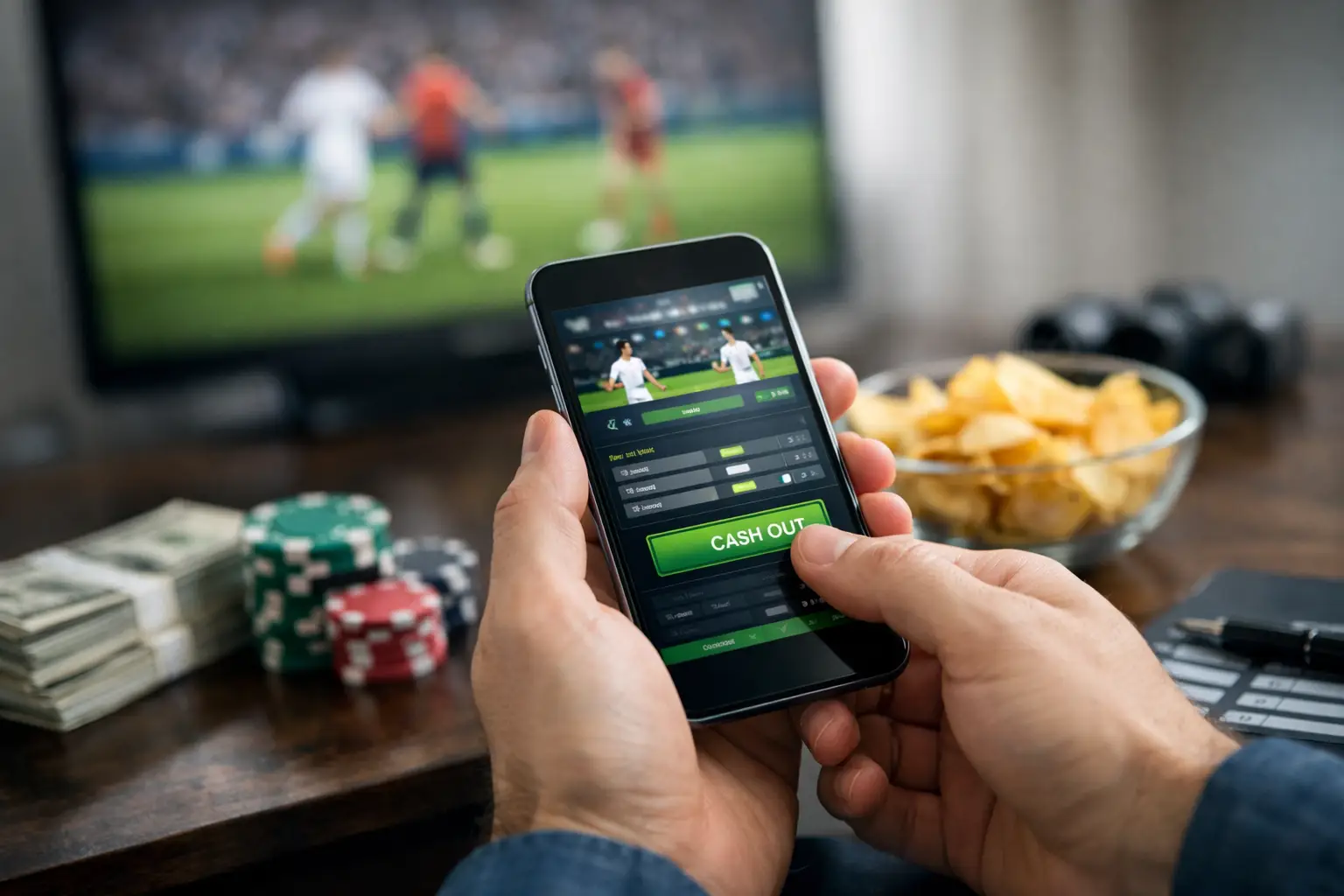
One goal changes everything. You back Over 2.5 Goals, the match starts fast, and by half-time your bookmaker is already offering a cash out figure that looks tempting. That is exactly why bettors ask how to use cash out properly – not just what the button does, but when taking the money makes sense and when it quietly cuts into value.
Cash out is one of the most popular bookmaker features in UK football betting because it gives you a decision before full-time. Instead of waiting for the final whistle, you can settle a bet early for a return based on what is happening in the match and how the odds have moved. Used well, it can protect your bankroll, reduce late-match stress and lock in profit. Used badly, it can turn good bets into smaller returns over and over again.
What cash out means in football betting
Cash out lets you close your bet before the event ends. The bookmaker offers an amount to settle your wager early, and that figure goes up or down depending on the current state of the match and the live odds.
If your selection is looking strong, you may be offered more than your original stake and sometimes a guaranteed profit. If the bet is struggling, the bookmaker may still offer a partial return so you can recover some of your stake rather than lose everything. That is the basic appeal. You get flexibility that standard fixed-odds betting does not usually provide.
In football, cash out appears across common markets such as match result, both teams to score, over/under goals, correct score and accumulators. Some bookies also offer partial cash out, which means you can take part of the return and leave the rest of the bet running.
How to use cash out without giving away value
If you want to know how to use cash out well, start by treating it as a tool rather than a habit. The biggest mistake is pressing the button purely because profit is available. A cash out offer is not a gift. It is a price, and like any betting price, it can be good, poor or somewhere in between.
Bookmakers build margin into cash out offers, so the figure shown is usually lower than the true market value of your position. That does not mean cash out is bad. It means you should only use it when the trade-off works for you.
The strongest reason to cash out is usually risk control. If a match has changed in a way that hurts your original position, or if your acca has reached a point where protecting returns matters more than chasing the maximum payout, cash out can be a sensible move. The weaker reason is emotion. If you are cashing out because you cannot handle the last ten minutes, you are probably letting nerves make a pricing decision.
When cash out makes sense
There are clear spots where cash out can help you keep more of your betting bank intact.
If you have backed a team pre-match and they go 1-0 up early but then lose a key player to a red card, the game has shifted. The original edge may have gone. Taking a decent profit or reducing exposure can be smart because the match state no longer reflects your pre-match read.
Accumulators are another obvious use case. If five legs have landed and the sixth is still live, cashing out part or all of the return can be practical. The full payout always looks attractive, but one late setback wipes out the lot. For many bettors, guaranteed returns at that stage are worth more than squeezing every last pound from the bet.
It can also make sense when the live market is moving against you faster than you expected. Suppose you backed Both Teams To Score, one side scores early, but the other team is offering almost nothing in attack and the tempo drops. If the cash out offer still gives you a fair exit, taking it may be better than hoping for a goal that the game is no longer suggesting.
When you should leave cash out alone
Cash out is most expensive when used too often. If you repeatedly close strong positions early, you can trim your long-term profit without realising it.
A classic example is an over goals bet in a match that is following the exact script you expected. You backed Over 2.5 Goals because both sides create chances and defend poorly. There are already two goals by 35 minutes, and the live data still points to more chances. The cash out amount may look good, but if the game still strongly favours your original bet, taking less than the full return can be the wrong move.
The same goes for value bets based on price. If you backed a team at a standout price and they shorten in-running for reasons that support your original logic, cashing out too quickly may simply hand value back to the bookmaker.
This is where discipline matters. A bettor who consistently finds better prices pre-match should be careful not to undo that work with poor early exits.
Full cash out vs partial cash out
Full cash out closes the entire bet there and then. It is clean, simple and useful if your view on the wager has changed completely.
Partial cash out gives you more control. You remove some risk, bank part of the return and keep some exposure if you still like the position. For football accas especially, that can be the better option. Instead of making an all-or-nothing decision, you split the difference.
Say you have a six-fold with one late match left. Full cash out may feel too cautious, but letting it all ride may feel reckless. Partial cash out lets you lock in a meaningful return while still keeping a shot at the bigger payout. It is not always available with every bookmaker or market, but when it is, it is often the sharper choice.
Factors that should guide your cash out decision
The scoreline matters, but it should never be the only thing you look at. Match context is just as important.
Time remaining changes everything. A 1-0 lead after 20 minutes is very different from a 1-0 lead after 82 minutes. Team news matters too. Injuries, red cards and tactical changes can make your pre-match angle less reliable. In-play performance matters just as much. Possession alone tells you little, but shots, big chances, territory and momentum can help you judge whether the live state still supports your bet.
Price sensitivity matters as well. If the cash out figure is far lower than what you think your bet is worth, there is no reason to accept it purely because it is available. The best bettors do not use every feature every time. They use the right feature at the right price.
Common mistakes bettors make with cash out
The first mistake is treating any green number as a win. Profit is good, but value is better. Small guaranteed returns can feel satisfying in the moment while costing you over dozens of bets.
The second mistake is using cash out to fix poor staking. If a bet feels too stressful to hold, the issue may be your stake size rather than the market itself. Betting smaller often solves the problem more effectively than cashing out every time the match swings.
The third is ignoring bookmaker differences. Not every operator handles in-play pricing and cash out in the same way. Some are quicker, some offer more markets, and some are simply less competitive. That is one reason odds comparison matters before you place the bet in the first place. Better entry prices give you more room to manoeuvre later.
A smarter way to use cash out
The best approach is to decide your likely cash out strategy before kick-off. Not every scenario can be planned, but having a rough framework stops you making rushed decisions once the match turns chaotic.
You might decide that if your acca reaches the final leg, you will consider partial cash out. Or if your selection goes ahead but underlying performance drops sharply after a red card, you will take a profit. Setting those conditions early keeps your thinking clear and stops you reacting to every market wobble.
For football bettors chasing better value, cash out should support your broader strategy, not replace it. Start with the strongest available odds. Use promotions and free bet offers where they improve expected return. Then, if the match state changes or bankroll protection becomes the priority, use cash out selectively rather than automatically.
That is the real edge. Cash out is not there to make every bet feel safer. It is there to give you another decision point, and the bettors who profit most are the ones who treat that decision with the same care as the original wager.
Next time the offer flashes up on your screen, do not ask whether you can cash out. Ask whether the price is worth taking.