
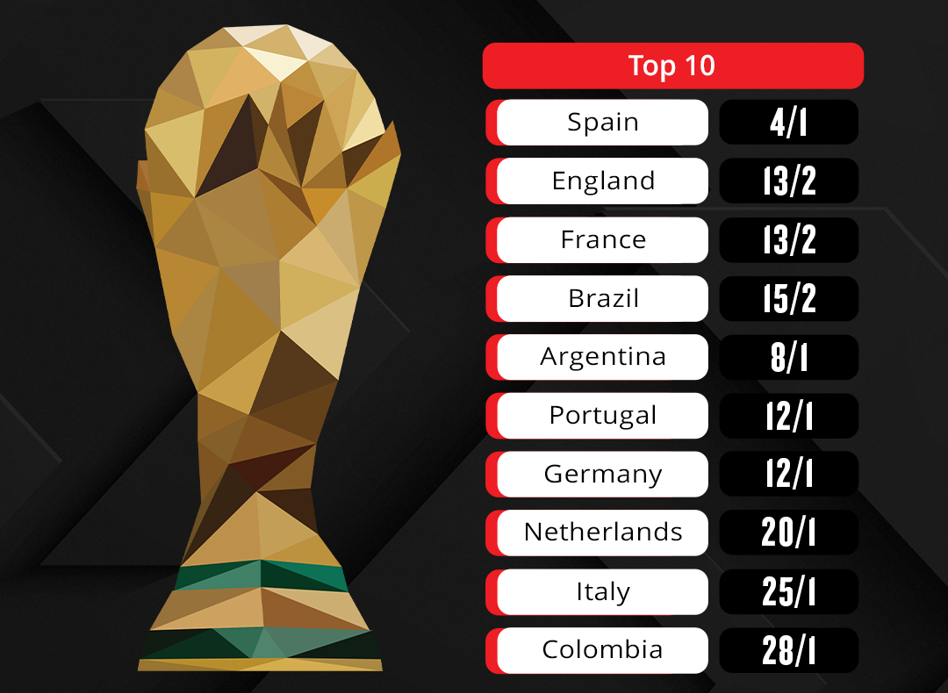
List of UK Bookmaker Free Bets on the World Cup Football Betting 2026.
The tournament may be too far away for live outright pricing.
A Tournament of Firsts
The most significant change for 2026 is the expansion of the field from 32 to 48 teams. This move, while debated by purists, opens the door for more nations from Africa, Asia, and North America to compete on the world stage. For fans, this means a record-breaking 104 matches played over 39 days.
The geographical spread is equally impressive. Matches will be held in 16 host cities, ranging from the high altitudes of Mexico City to the coastal stadiums of Vancouver and Miami. This diversity ensures that the tournament will have a truly continental feel, celebrating the unique football cultures of all three host countries.
Host Nation Dynamics
Mexico brings a rich World Cup legacy, with the iconic Estadio Azteca set to become the first stadium to host matches in three different World Cups (1970, 1986, and 2026). The passion of Mexican fans is legendary, and their inclusion ensures an electric atmosphere.
The United States returns as a host for the first time since 1994. Since then, Major League Soccer (MLS) has grown significantly, and the national team has become a consistent competitor. With world-class NFL stadiums being converted for soccer, the infrastructure in the U.S. is unparalleled, capable of handling the massive influx of international visitors.
Canada makes its debut as a co-host, reflecting the rapid growth of the sport in the Great White North. Cities like Toronto and Vancouver will provide a multicultural backdrop, showcasing Canada’s increasing prominence in the global football community.
Logistics and Fan Experience
The sheer scale of North America presents unique logistical challenges. Travel between host cities can involve multi-hour flights and multiple time zones. FIFA and the host nations are working on “regional clusters” for the group stages to minimize travel for teams and fans, but the knockout rounds will likely see significant movement across the continent.
For fans, the 2026 World Cup will be a high-tech experience. Expect state-of-the-art fan zones, seamless digital ticketing, and enhanced broadcasting technologies that bring the game closer to viewers worldwide. The diversity of the host cities also means a wide array of culinary, cultural, and entertainment options outside the stadiums.
Competitive Outlook
With 48 teams, the group stage format has shifted to 12 groups of four. The top two teams from each group, along with the eight best third-placed teams, will advance to a new Round of 32. This format increases the stakes and provides more opportunities for “Cinderella stories” where smaller nations can upset established giants.
Traditional powerhouses like Argentina, France, and Brazil will remain favorites, but the home-field advantage for the U.S., Mexico, and Canada cannot be discounted. The 2026 cycle is also seeing a golden generation of talent emerging from North America, which could lead to deep runs for the host nations.
Legacy and Impact
Beyond the matches, the 2026 World Cup aims to leave a lasting legacy. The “United” bid emphasizes sustainability and the growth of grassroots football. By bringing the tournament to so many cities, the goal is to inspire a new generation of players and fans across North America.
The economic impact is projected to be in the billions, providing a boost to local businesses and tourism. More importantly, the tournament serves as a bridge, using the universal language of football to unite three diverse nations and the rest of the world.
Conclusion
The 2026 FIFA World Cup is more than just a tournament; it is a celebration of the beautiful game’s expansion and evolution. While the new format and vast geography present challenges, the potential for a truly global, inclusive, and spectacular event is immense. As the countdown continues, the world watches with anticipation to see how North America will redefine the World Cup experience for the modern era.